寻一件安静的器物Quiet objects for daily practice

Category: Dao Culture & Objects

Articles on Longhu Mountain, Daoist thought, bead bracelets, incense, and traditional craft.

  • Choosing a Longhu Mountain Gift: Beads, Fans and Daily Objects

    Choosing a Longhu Mountain Gift: Beads, Fans and Daily Objects

    A gift connected with a place or cultural interest should be easy to explain and pleasant to use. It need not be the largest or most elaborate object. Clear materials, suitable dimensions and a connection with the recipient’s habits usually matter more.

    Begin with the person’s daily life

    Someone who already wears accessories may enjoy a bracelet or pendant with clearly stated measurements. A reader or tea enthusiast may prefer a folding fan or a small object for a desk. Incense tools call for an extra question: does the person want to burn incense, and is there a suitable, ventilated space?

    A cultural object need not impose a ritual or a religious identity. It may be appreciated as design, craftsmanship or a practical tool. For someone uncomfortable with religious imagery, a simpler form can be a better choice.
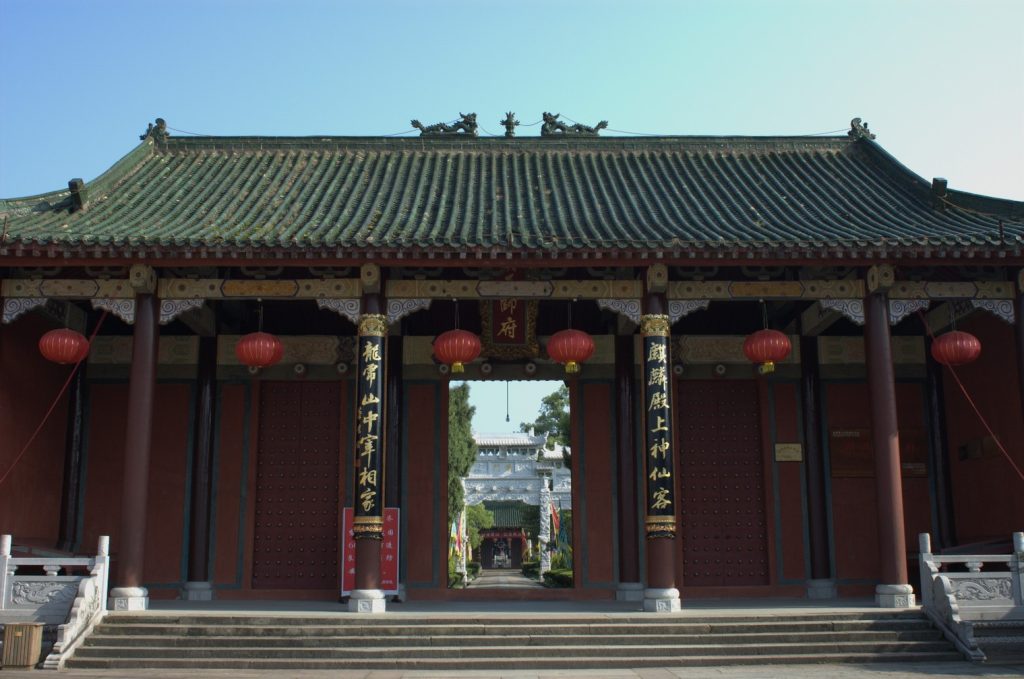
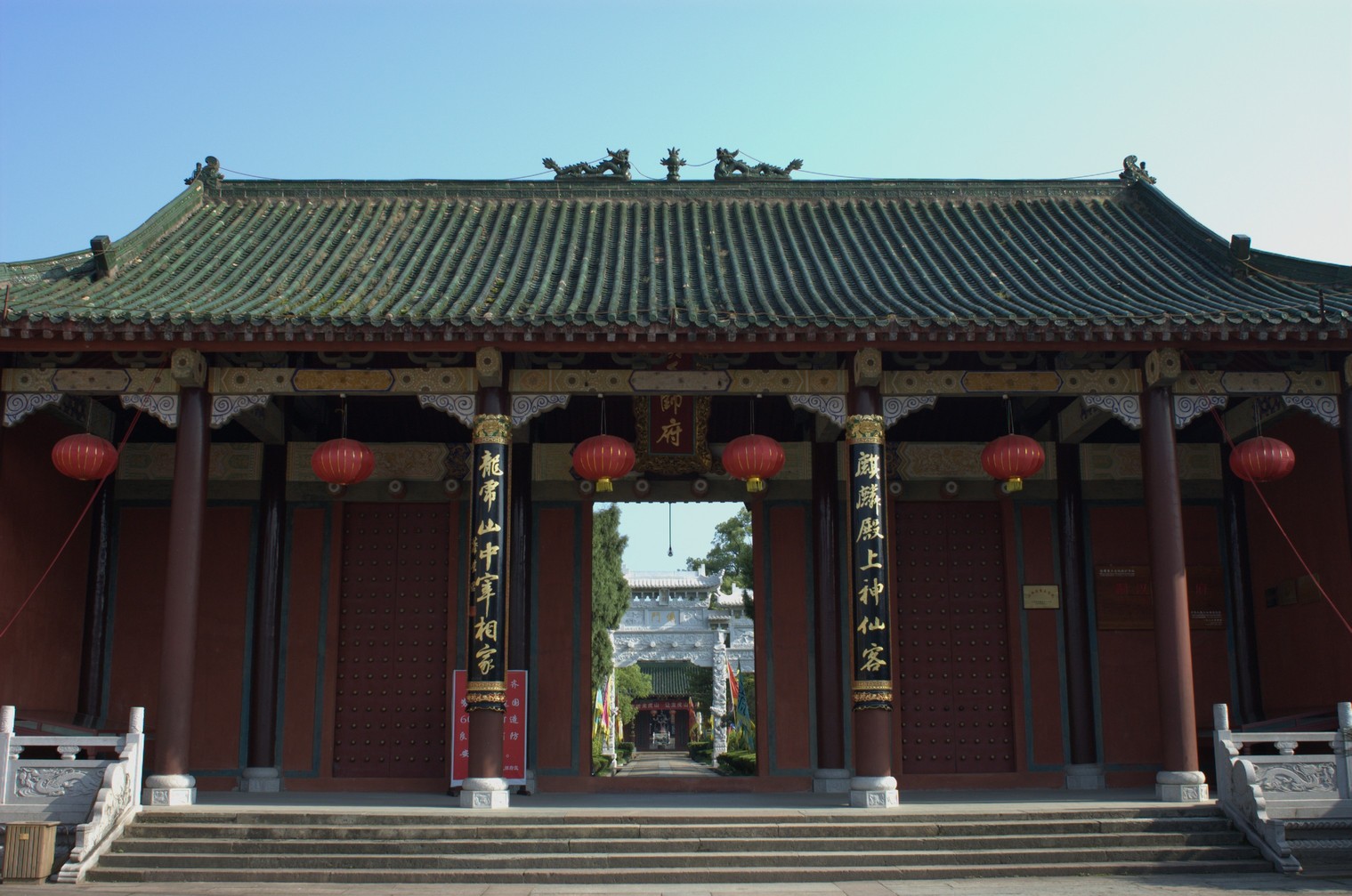
    Courtyard and traditional architecture at Tianshifu in Jiangxi
    A place can begin the story of a gift. This photograph does not establish where an individual product was made or whether it has institutional authorization.

    Bracelets and pendants: confirm fit

    For a bracelet, establish actual wrist circumference, preferred fit and bead diameter before ordering. Photographs cannot fully convey weight, stretch or texture. Ask for missing measurements and view the actual product photographs, especially when natural materials vary in grain and tone.

    For a pendant, check body size, cord length, fastening and how it will sit with everyday clothing. A brief explanation of the motif and care method is more useful to a new reader than an unexplained transliteration.

    Fans and display objects: consider making and placement

    A folding fan can be carried, opened in use or displayed. Check the fan surface, ribs and whether the decoration is painted or printed. Individual variation should be explained where handwork or natural materials are involved.

    A small figurine needs a suitable, stable place to stand. Proportion and clear surface detail may matter more than size. A gold or silver color alone does not establish the metal or finish, so rely on the stated product information.

    Incense tools: suitability before appearance

    An incense holder needs to suit the incense dimensions, support it securely and catch ash appropriately. Consider heat resistance and the intended surface as well as shape. If the recipient is sensitive to fragrance or lacks a suitable room, a non-burning accessory may be more thoughtful.

    When incense is used, maintain ventilation, keep it away from combustible materials and ensure it is extinguished before leaving or resting. An incense practice should not be presented as a medical treatment.

    Sending a gift internationally

    • Check destination rules: wood, botanical seeds and incense may be subject to different import conditions.
    • Confirm the delivery arrangement: establish destination availability, packaging, expected timing and possible local duties or taxes.
    • Describe the item accurately: material and value declarations should be truthful; a generic gift label is not a substitute for required details.
    • Allow time: ask about actual stock and dispatch arrangements when a particular date matters.

    Add a short cultural note

    A useful note might say: “This design reminded me of the culture around Longhu Mountain. Its imagery expresses a wish for peace and harmony. I hope it becomes a small object you enjoy using.” Add the confirmed material and care instructions to make the note practical as well as personal.

    Symbolic meaning can begin a conversation without promising an outcome. A gift you can describe clearly often carries more thought than an elaborate story you cannot verify.
  • Reading Daoist Motifs: Taiji, Clouds and Thunder Imagery

    Reading Daoist Motifs: Taiji, Clouds and Thunder Imagery

    A pendant, fan or small seal may carry a familiar shape with an unfamiliar name. A useful way to read it is to ask what it is, where it appears and how it fits the object. A list assigning a guaranteed effect to every symbol is much less helpful.

    Taiji: more than two contrasting colors

    The familiar Taiji image offers a visual approach to the relationship between yin and yang: contrast, connection and change within a whole. Its use in philosophical explanation, religious settings and contemporary design does not make those contexts identical.

    On an accessory, examine proportion and clarity. A small surface may work better with a simple, well-executed motif than with an elaborate pattern that is difficult to read. The presence of Taiji alone does not establish a religious function or a special provenance.

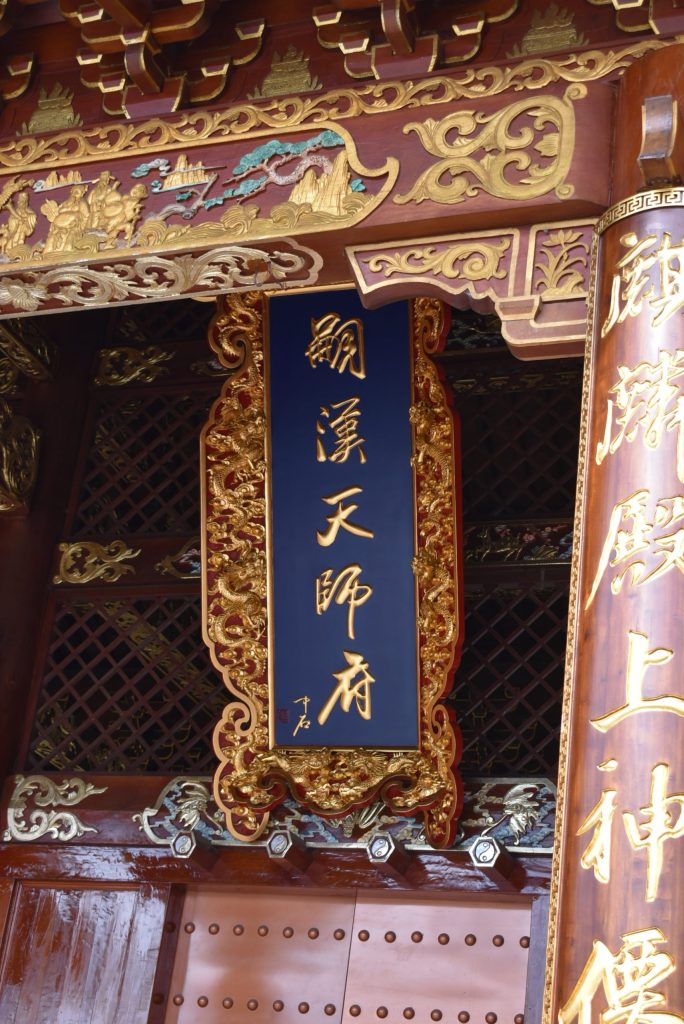
    An inscription at Tianshifu illustrating the importance of architectural context
    An inscription in its architectural setting. This photograph illustrates context rather than providing examples of every motif discussed below.

    Cloud patterns and key-fret designs

    Cloud patterns take many forms across periods and crafts. Curling or extending lines can suggest movement and openness. They are widely used in Chinese decorative arts and are not exclusive to Daoism.

    Key-fret patterns often form a continuous geometric border. Their repeated turns can organise a surface and frame its main feature. Look at whether the border leaves enough room for the central design, and whether its density suits the object’s actual size.

    A thunder pattern is not the same as thunder-rite imagery

    The term thunder pattern in decorative-art history commonly refers to a geometric ornament. References to Five Thunder, Ziwei or seal forms associated with Daoist thunder traditions belong to a different layer of cultural meaning. Shared wording does not make them interchangeable.

    Complex inscriptions and talisman-like forms should not be decoded by visual guesswork. Ask the seller for the specific design name and its source explanation. When that information is unavailable, leave the question open rather than assigning the same generic meaning to every design.

    Symbolism and product claims

    Traditional imagery may express wishes for peace, harmony or prosperity. That context can enrich a gift. It does not establish a guaranteed outcome, and it cannot replace clear information about an item’s material and workmanship.

    Two objects may share a motif while differing in size, process and practical use. Their stories may overlap; their specifications still need individual attention.

    A practical order for choosing

    1. Begin with the object: what is it for, and will its dimensions suit you?
    2. Examine the making: ask about material, engraving, printing or painting, and appropriate care.
    3. Read the motif: establish its name, context and the way it has been adapted.

    For a friend encountering Chinese culture for the first time, a short, accurate explanation of a design is often a more thoughtful gift than a long list of unverified promises.

  • Inside Tianshifu: Courtyards, Inscriptions and Daoist Culture

    Inside Tianshifu: Courtyards, Inscriptions and Daoist Culture

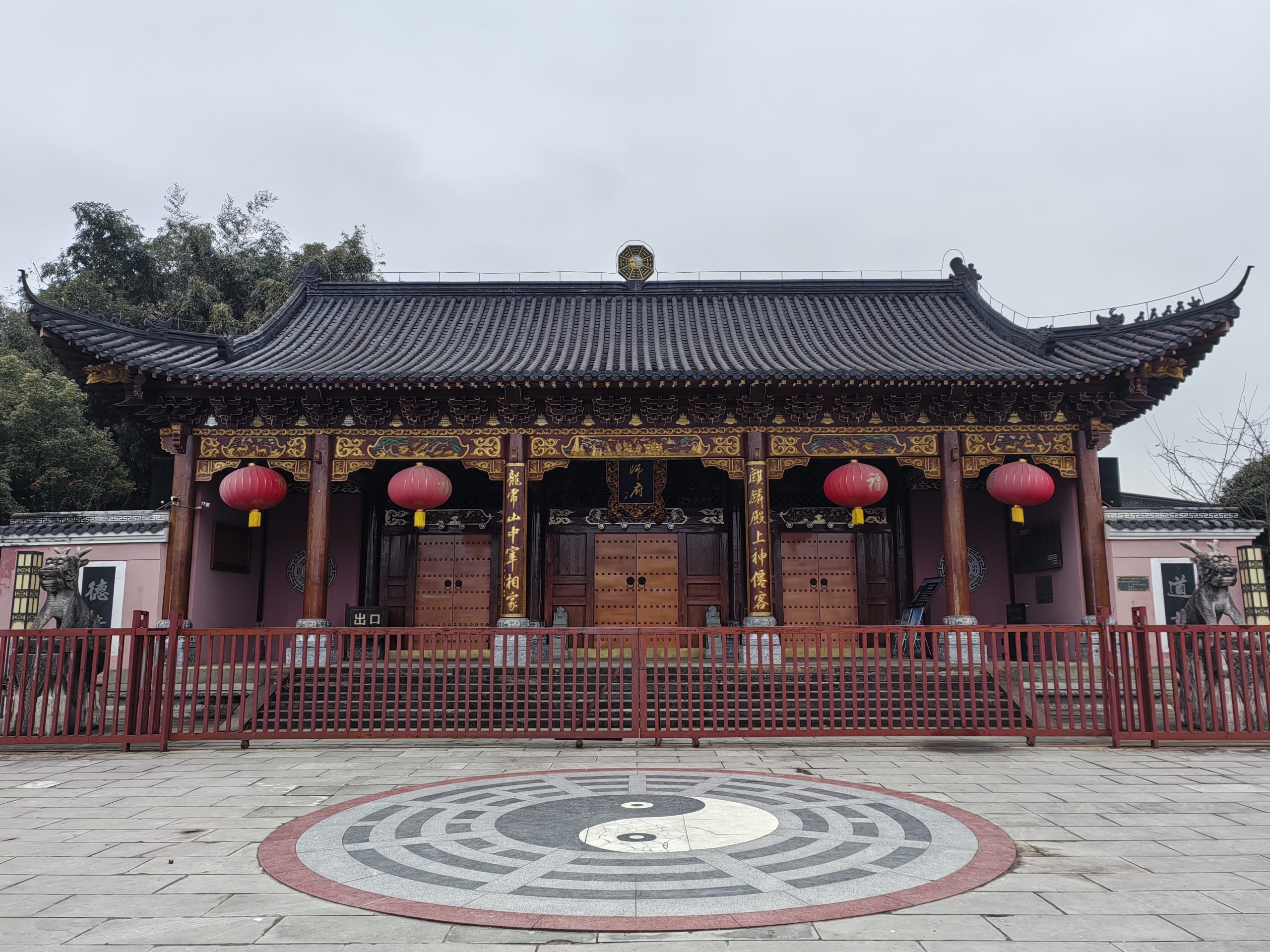
    Tianshifu becomes easier to understand when the name is returned to a place: Shangqing, in the Longhu Mountain area of Jiangxi. Gates, courtyards and inscriptions turn an unfamiliar cultural term into something that can be looked at carefully, one detail at a time.

    What is Tianshifu?

    Tianshifu is commonly introduced in English as the Celestial Masters’ Mansion or Celestial Master Temple. Its Chinese name is also encountered as Sihan Tianshifu. It is closely associated with the Celestial Masters tradition and Zhengyi Daoist culture, and is an important point of reference for understanding the area.

    Traditional narratives, religious lineage, building history and present-day practice are related but distinct subjects. A structure visible today should not automatically be treated as an intact survival from the time of an early historical figure. Specific dates need the support of site interpretation, conservation records or research.

    Inscribed Sihan Tianshifu plaque at the Celestial Masters Mansion
    The Sihan Tianshifu plaque. An inscription is best understood together with its architectural setting.

    Read the spaces before collecting symbols

    Traditional buildings can be approached through the way they organise movement. A gate frames the view; a courtyard opens it again; shade beneath an eave changes the pace of looking. These relationships are as informative as an ornate surface.

    Inscriptions and paired texts also deserve attention beyond their appearance in photographs. Read available explanations and consider the function of the space in which they appear. Symbols from different halls should not be combined into one universal code or used to infer a special status for an unrelated product.

    A place of continuing practice

    A religious site is more than an architectural subject. Follow local guidance on accessible areas, photography and movement during activities. Ask before photographing individuals, leave ritual objects in place and avoid rearranging a setting for a picture.

    When a custom is unfamiliar, quiet observation and a polite question are good starting points. Learning about a tradition does not require adopting a religious identity. Curiosity works best when it leaves room for the people who use the place.

    How cultural context informs an object

    Architectural rhythm, seal forms, cloud patterns and the open space of a fan can inspire contemporary design. A successful cultural object still needs to work in everyday life: a fan should be considered through its paper, ribs, opening action and care, while a pendant needs a clear account of material, size and wearing method.

    A motif can enrich the story of an object, but it cannot establish the object’s origin, workmanship or an institutional endorsement. Those claims need their own evidence.

    About this journal and shop

    Tianshifu Dao Culture publishes cultural introductions alongside a retail collection. This article is not an official notice about a religious site’s opening conditions. Any specific product authorization, provenance or process should be assessed through the product information and supporting records, rather than inferred from the shop’s name or landscape photography.

  • Longhu Mountain: Danxia Cliffs, River Views and Daoist Culture

    Longhu Mountain: Danxia Cliffs, River Views and Daoist Culture

    A useful first encounter with Longhu Mountain begins with the landscape. Red rock faces meet a wide river, vegetation softens their edges, and buildings return the view to a human scale. This is a place to read through geology and daily life as well as through religious history.

    Where is Longhu Mountain?

    Longhu Mountain, also written Longhushan, lies in the Yingtan area of Jiangxi, China. Its Danxia scenery forms part of the serial China Danxia World Heritage property. The term describes a landscape associated with red sedimentary rock shaped by weathering and erosion over long periods.

    The cliffs are more than a backdrop to cultural stories. Their layers, openings and changing relation to vegetation offer a record on a different timescale. Looking carefully at those details can make a visit richer than collecting viewpoint names alone.

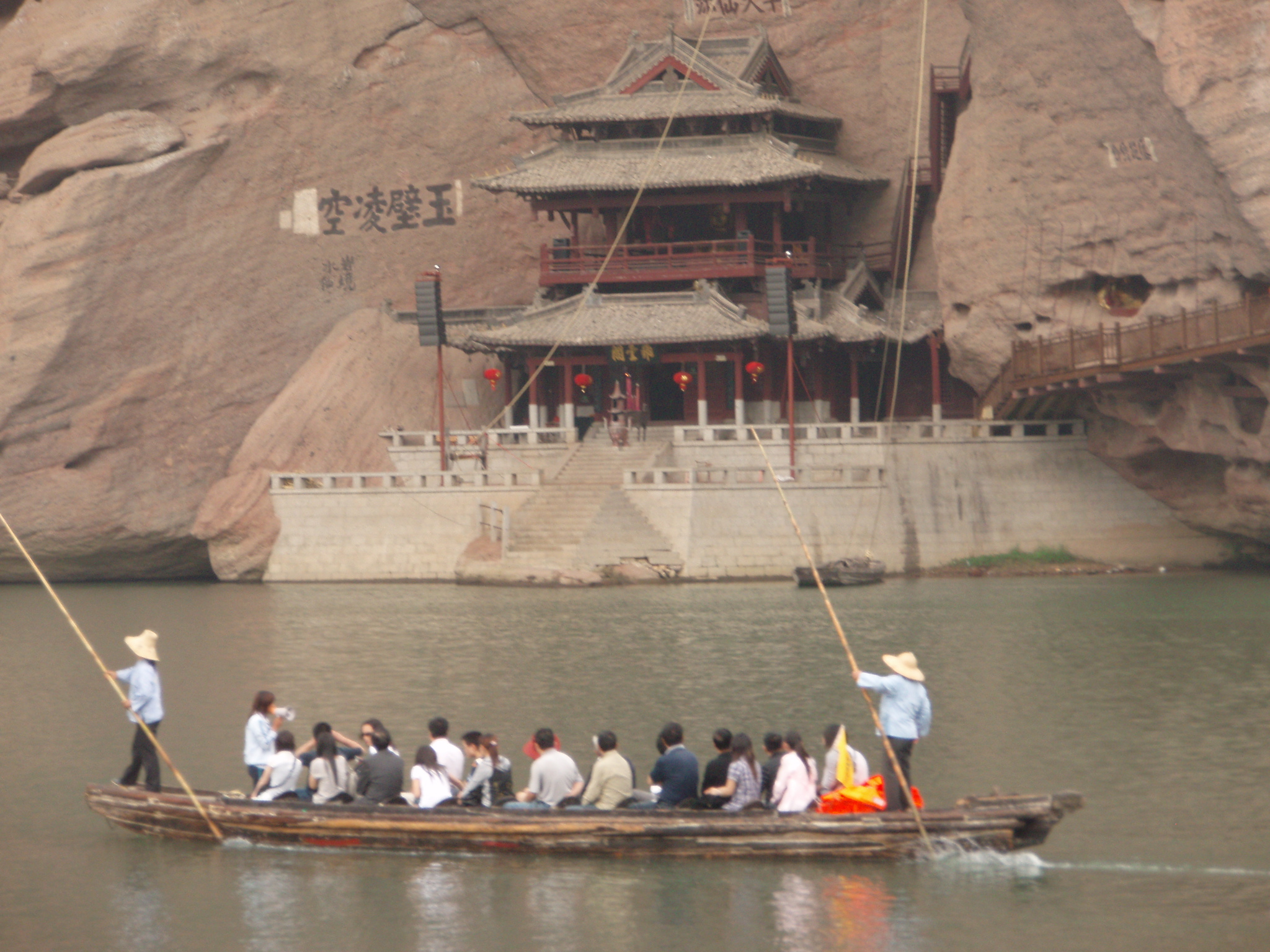
    Waterside scenery and buildings at Longhu Mountain in Jiangxi
    Water, rock and buildings at Longhu Mountain. This archival photograph does not indicate current visitor access.

    Follow the Luxi River

    The Luxi River provides a helpful thread through the landscape. Seen from the water or its banks, cliffs gain depth and scale, while paths and houses show how people have lived alongside them. A broad view resolves into rock surfaces, riverside plants and rooflines.

    Before planning a visit, distinguish between the natural scenic areas and the Shangqing town and Tianshifu area. They belong to the same cultural landscape but should not be treated as one compact courtyard. Check current transport, opening hours, weather and boat or raft arrangements with the relevant operators. This introduction avoids fixed prices and timetables that may quickly become outdated.

    Landscape and Daoist heritage

    Longhu Mountain has deep associations with the Celestial Masters and Zhengyi Daoist traditions. Accounts involving Zhang Daoling include religious tradition, local memory and historical interpretation. Understanding those layers is more useful than presenting every traditional story as a documented event.

    For a contemporary reader, the idea of following nature may also suggest attending to how things actually behave: the grain of wood, the changes left by handling, or the space an object needs to be useful. This is a practical interpretation for daily life, rather than a claim to define Daoist doctrine.

    From the landscape to an everyday object

    A cultural object does not need every traditional symbol on its surface. A restrained finish, balanced proportions and clear material information can make a bracelet or incense holder more satisfying to use. Begin with fit and function, then explore the design’s cultural references.

    Landscape photography establishes a setting, not the origin or quality of an individual product. Whether an item was made locally, uses a particular wood or involves a particular process must be supported by its own product information.

    Three useful questions

    Is Longhu Mountain only a religious destination?

    No. Geology, river scenery, settlement and religious culture all contribute to its character.

    Do I need prior knowledge of Daoism?

    Start with place names, buildings and objects. Learn a term in its specific context rather than treating it as a universal explanation.

    What should I ask before buying a souvenir?

    Ask about material, dimensions, workmanship and care. Symbolism adds context but cannot replace practical buying information.

  • Daily Incense Guide: Choosing, Ventilating, and Burning Safely

    Fragrance can change how a room feels, but daily incense is first an activity involving air and fire. Restraint, ventilation, and safety matter more than intensity or a long burn.

    Choose incense with clear information

    Look for main aromatic materials, dimensions, approximate burn time, and storage guidance. Fragrance descriptions can help imagination, but they do not replace material information. Begin with a small quantity and shorter burn so that you can judge how it behaves in your room.

    Match the amount to the space

    A small room rarely needs a full long stick. Use a shorter stick or extinguish it at an appropriate time. More smoke does not create a more nuanced experience; it often causes olfactory fatigue. Fragrance needs room to arrive and leave.

    Maintain gentle ventilation

    A sealed room accumulates smoke, while a strong draft can scatter ash or speed the burn. A slightly open window and slow air exchange are often more comfortable. Do not use fragrance to hide damp, mould, or cooking smoke; address the source first.

    Fire-safety checklist

    • Use a stable, heat-resistant holder that catches all falling ash.
    • Keep it away from curtains, paper, wood shavings, dried flowers, and strong drafts.
    • Keep children and pets away and supervise the burn.
    • Confirm that the ember is completely out before sleeping or leaving.
    • Let ash cool before disposal and keep it away from combustible waste.

    Respect individual sensitivity

    Stop and ventilate if coughing, headache, eye or nose irritation, or other discomfort occurs. Seek professional advice for pregnancy, respiratory conditions, or specific health concerns. Incense is a spatial practice, not a medical treatment.

    When choosing incense holders and objects, put stability and ash coverage first.

  • How to Choose a Bead Bracelet: Material, Size, and Fit

    Online bracelet shopping often begins with colour and symbolism, but comfort is decided by measurement, bead diameter, weight, and touch. A bracelet worn often is usually one that fits the body and the day rather than one that looks impressive only in a photograph.

    Step one: measure the wrist

    Wrap a soft tape around the narrowest part of the wrist without pulling or leaving extra space. If no tape is available, use a non-stretch string and measure it against a ruler. This is the actual wrist circumference, not the finished bracelet size. Bead diameter, knot, and preferred ease still need to be considered.

    Step two: choose the fit

    • Close: minimal movement and a clean appearance, but more noticeable in hot weather.
    • Regular: slight movement around the wrist and suitable for most daily use.
    • Loose: a pronounced drape, with more chance of touching a desk or other surfaces.

    If you are between sizes, provide the seller with actual wrist circumference and preferred fit. This is more useful than choosing only by gender labels.

    Step three: understand bead diameter

    Beads around 6–8mm tend to feel lighter and more discreet. Around 10mm has a clearer visual presence. At 12mm and above, both weight and volume increase noticeably. Larger beads also change the number of beads and the curve around the same wrist.

    Step four: match material to daily use

    Wood is warm but needs protection from water. Botanical seeds have rich texture and change through handling. Stone keeps its colour well but carries more weight. Metal fittings may oxidise or cause sensitivity. Clear material information is more useful than vague claims about energy.

    Confirm before ordering: actual wrist measurement, finished inner circumference, bead diameter, main material, cord type, and how size adjustments are handled.

    Compare specifications in our bead bracelet category.

  • Carrying the Way in Everyday Objects

    An incense holder, a coaster, or a daily notebook is not a grand answer. Each simply makes one action easier, giving reading, tea, sitting, or writing a reliable place to begin.

    An object must first fulfil its function

    A holder must be stable, a coaster durable, a notebook easy to write in, and jewellery comfortable in weight and proportion. Clear function is the basis for long use. A cultural symbol detached from use quickly becomes decoration made only for photographs.

    Materials record time honestly

    Wood, stone, metal, ceramic, and paper each change differently. We do not try to erase every natural variation, nor do we turn ordinary material into a rare legend. Accurate material information is one of the seller’s most basic responsibilities.

    Traditional motifs need space

    Cloud patterns suggest movement, key-fret motifs create continuity and order, and the Taiji diagram speaks to relation and transformation. In contemporary products, restraint matters more than accumulation. A motif becomes meaningful when form, proportion, and pattern are coherent.

    For an object to carry the Way does not mean it has mysterious power. It means that choosing, using, and caring for it can make a value tangible.

    Good objects withstand repeated use

    We prefer things that can be picked up, used, cleaned, and stored again and again. They may not create an intense first impression, but they remain comfortable over time. That is how an object truly enters life.

    Browse all products by use and material, without exaggerated promises.

  • A Quiet Introduction to Everyday Incense

    Before lighting incense, clear the surface. Move paper and flammable objects away, open a window slightly, and let air move gently. Incense should not cover the existing smell of a room; it can simply mark the beginning and end of a period of time.

    Beginners do not need intensity

    A stronger scent is not necessarily a better one. Begin with a mild stick whose main materials, dimensions, and approximate burn time are clearly described. Use one stick or half a stick and notice how the scent develops before trying more complex blends.

    Tools should provide stability and catch ash

    The holder opening should fit the thickness of the incense, and its base must remain stable. A burner or ash plate should be wide enough to contain falling ash. An attractive object that tips easily is not suitable for an unattended space.

    A simple sequence

    1. Clear the surface and provide ventilation.
    2. Place the holder on a level, heat-resistant surface away from curtains and paper.
    3. Light the tip, then extinguish the flame so that only a stable ember remains.
    4. Sit for a moment without rushing to judge the fragrance.
    5. Extinguish it fully and clear the ash before leaving the room.

    The point is not to manufacture ceremony. A clear beginning and ending can simply keep a small part of the day from becoming scattered.

    Put physical comfort first

    Use caution if anyone is sensitive to smoke, has a respiratory condition, or if infants or pets share the space. Stop immediately if discomfort occurs and seek professional advice when appropriate. Incense is not a medical treatment.

    Our incense objects focus on stable, manageable everyday use.

  • Clouds over Longhu Mountain: Dao Culture in the Landscape

    Clouds over Longhu Mountain: Dao Culture in the Landscape

    Longhu Mountain lies in Yingtan, Jiangxi. The Luxi River passes through a landscape of Danxia peaks, while morning mist gradually reveals gates, rooflines, and stone steps. The mountain is also an important historical home of Zhengyi Daoism, where landscape and cultural tradition have shaped one another over centuries.

    Landscape is not merely a backdrop

    In Daoist thought, nature is more than scenery. Flowing water, opening valleys, and changing seasons teach us to recognise change and leave room for it. Living in accordance with nature is not passive waiting. It means understanding conditions and reducing unnecessary force.

    Quiet comes from order

    Longhu Mountain is never silent. Wind crosses the trees, water meets stone, and bells and footsteps travel through the morning. Calm comes because these sounds have space. Clearing a desk, keeping a steady rhythm, and finishing one task before beginning the next are modest ways of restoring order.

    From mountain forms to daily objects

    We are drawn to restrained colour, clearly described materials, and lasting proportion. Cloud motifs, key-fret patterns, and Taiji imagery do not need to cover every surface. Space allows motif and form to breathe. Culture is not a pile of symbols; it is also a way of using and caring for things.

    The Way does not always require a grand statement. It may be a path walked slowly, incense prepared with care, or an uninterrupted morning.

    Respecting the real Longhu Mountain

    Sharing this culture also means respecting its history, religious life, and present-day communities. We do not reduce a complex tradition to mystical spectacle. We work from reliable context, lived experience, and the details of objects.

    Read more about our approach on the About Us page.

  • Beginning with Beads: How a Bracelet Enters Daily Life

    When beads rest in the palm, the first impression is rarely symbolism. It is weight, temperature, and texture. Wood feels gentle, botanical seeds carry fine natural surfaces, and stone beads are cooler and more substantial. Our relationship with an object usually begins with these ordinary sensations.

    Know the material before assigning meaning

    Every material has its own density, touch, and care needs. Wood should not be soaked or left in strong sunlight. Botanical beads gradually change colour through use. Stone is resilient in daily wear but can still chip when dropped or struck. Variations in colour, grain, and shape are normal characteristics of natural materials.

    Bead size changes both appearance and comfort

    Smaller beads are light and discreet, convenient for daily wear or layering. Larger beads have a stronger presence and more weight. A useful choice considers actual wrist circumference, bead diameter, total weight, and preferred fit rather than photographs alone.

    A bracelet does not need to fulfil wishes on our behalf. It can simply be a tactile measure, reminding us to pause and return to the breath and the task at hand.

    An object is completed through use

    The right bracelet is not necessarily the most expensive or the one carrying the most symbols. It is the one that fits, uses clearly described materials, and can be worn often. The sheen and marks that appear over time may say more than untouched perfection.

    Daily care

    • Store it dry and away from direct light or sharp jewellery.
    • Remove it before exercise, bathing, swimming, or using chemical cleaners.
    • Wipe away perspiration with a soft dry cloth and let materials age naturally.

    Compare materials and sizes in our bead bracelet collection.